
In university, I had the distinct honor of meeting an amazing botany professor that taught me to see the world in a different light. He gave me a name for the concept of “plant blindness”. The tendency for people to only notice plants in a background setting. A backdrop in front of which life plays out. Never a stand-alone component or important aspect of our daily lives. I felt this. In every excursion outdoors, in every hike and every camping trip. I didn’t know the plants around me, and more importantly, I didn’t know how to know them. He attributed this phenomenon in part to a feeling of indifference to plants in a general sense.
I feel there’s more to it than that. Plants are vast and variable…innumerable and intimidating. Inaccessible. That’s how they struck me before I had a personal guide to their ambiguous existence through my immensely knowledgeable professor. How does one even start to know plants? We know them when they add color to our lives, we see them as vehicles to beautify our surroundings, but we rely on more knowledgeable people to decipher which plants fulfill roles of what we want from them. We don’t even know how to know what roles they CAN fill. They aren’t as charismatic or relatable as animals that move under their own power and communicate in methods more like our own. We simply don’t speak their language, and they are so numerous we don’t even know where to start so we accept their existence without really addressing it. At least, that was my relationship with plants. My professor opened a door that I didn’t even know was there, and he didn’t even realize it.
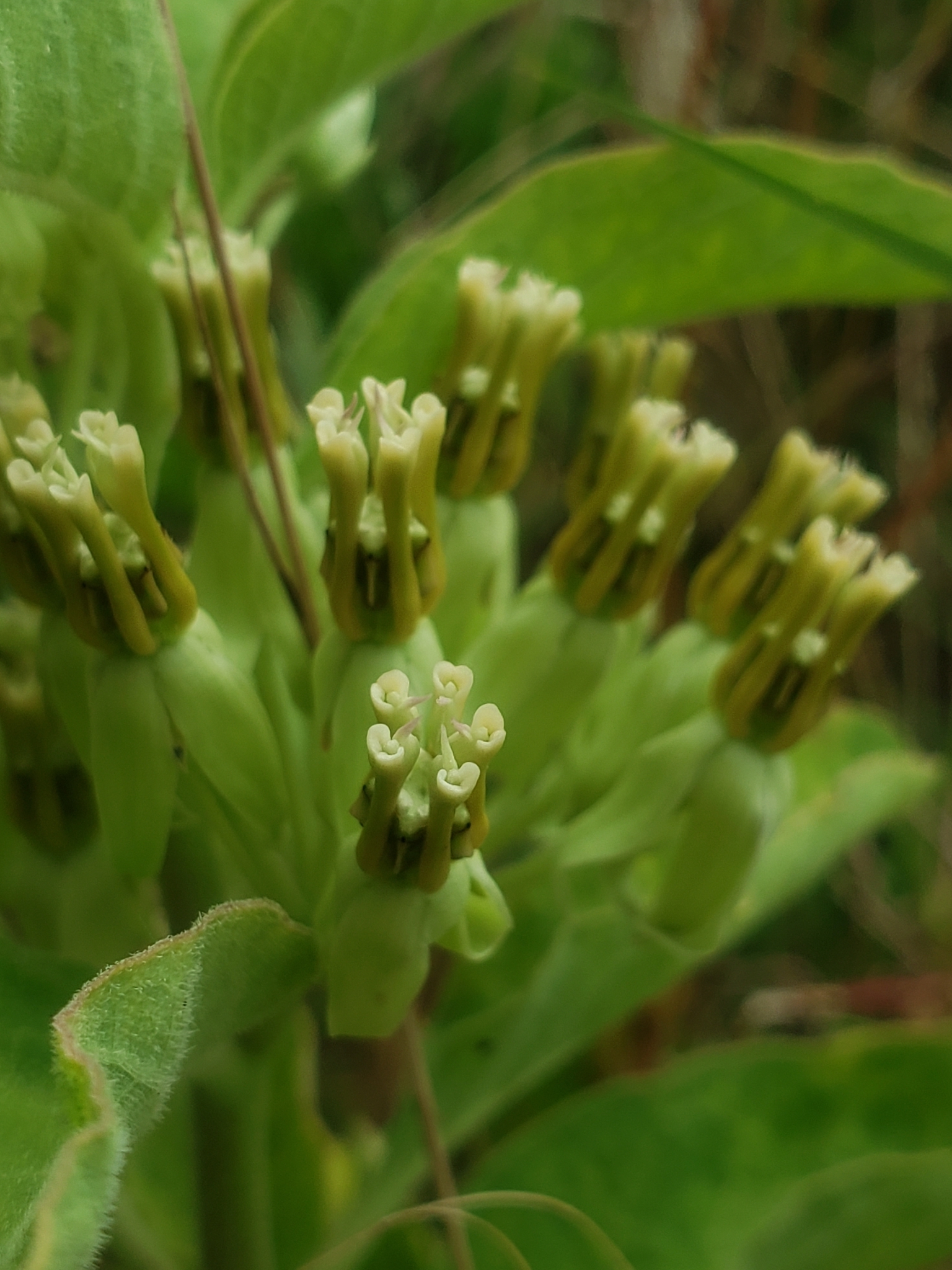
We want to help be a vehicle towards knowledge of plants, their beauty, and their role in our native ecology, much like my professor did for me. Knowledge of plants has increased dramatically in recent years with the recognition of the importance of native Asclepias (milkweed) species for the monarch butterflies (Danaus plexippus), and the hotter dryer summers that we have been experiencing in Texas have pushed more people towards native species to stand in for lawn grasses. It’s a start, but focusing on one species and continuing to ignore the rest hardly helps with the big picture! A more wholistic approach would be to examine how the plants people select for their gardens and lands impact the food webs and ecosystems around us. Choosing a complex of plants to provide blooms and color year-round rather than relying on one single plant to fulfill all those roles provide more layers of resources to promote diversity in our microclimates and contribute to a more robust, visually interesting landscape.
Through this blog we hope to address topics people have questions about, and explore the possibilities of native Texas plants in our every day lives. We are so glad you are hear, and we can’t wait to grow with you.


Leave a Reply