Seed collection for Penstemon cobea (P. cobea) also known as Showy beardtongue, Prairie beardtongue, Prairie penstemon, Prairie false foxglove, and a host of other common names is far simpler than some other native wildflowers. For this one, wait until the seed pods (that look similar to acorns on a stalk) are completely brown, and splitting. If you harvest them green, they will dry but won’t open, and it is very difficult to get the seeds out. We do offer seeds for these and other species through our Etsy shop, here.
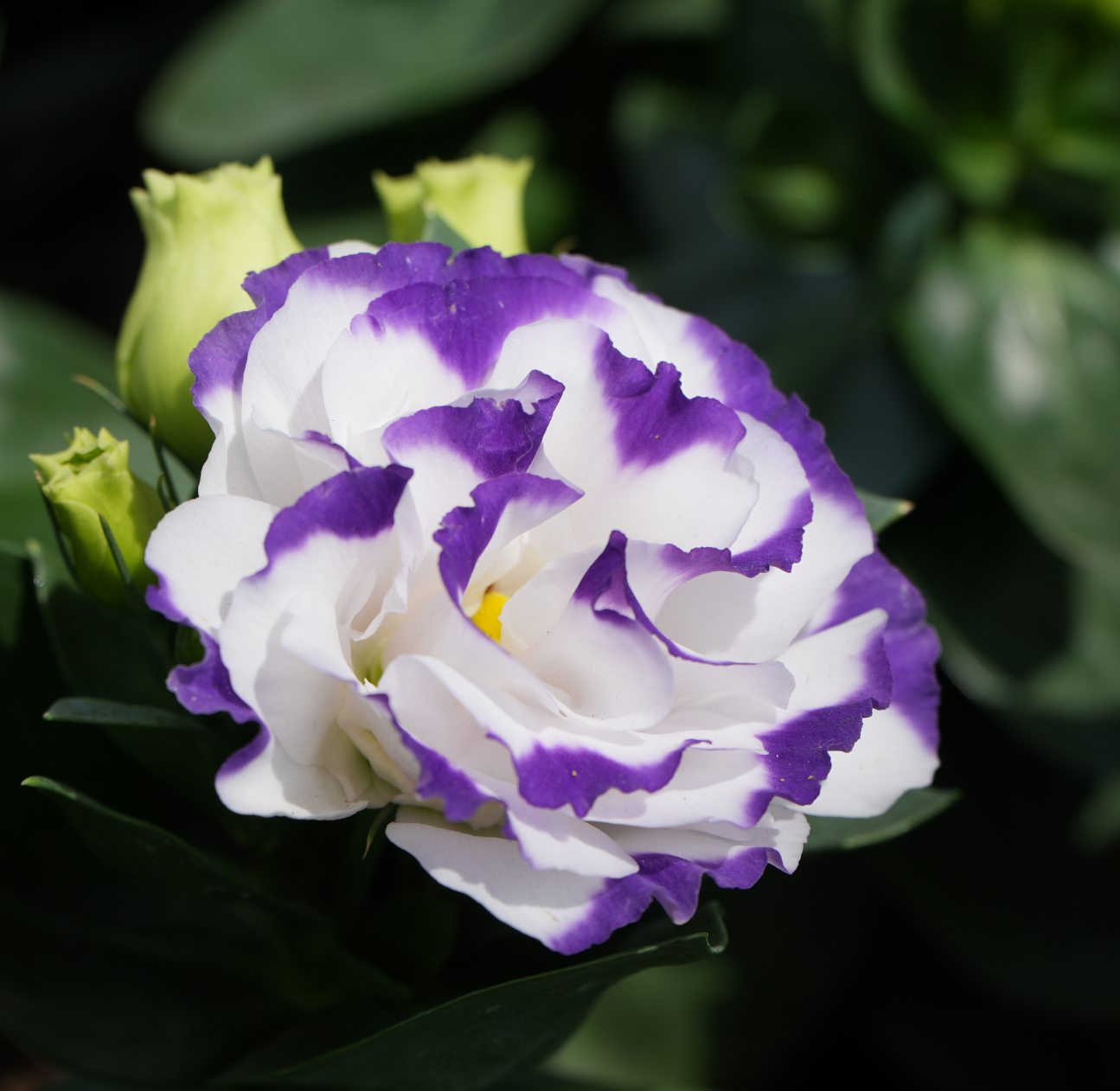
There’s quite a lot of variation in their natural color. I found this particularly striking specimen on a private pocket prairie in Wise County, Texas. The seeds from this small colony are the ones I have been collecting and cultivating, and so far, they are doing wonderfully. No flowers for my efforts yet!

When the capsules are beginning to open on the stalk, the seeds are simple to harvest. Take a set of small sheers with you, snip below the lowest seed capsule, and invert the stalk into a container. Sandwich bags work great, so do Tupperware with snug fitting lids. Anything that is deep enough to accommodate the entire cut stalk, and closes well will work. Simply place the cut stalks in the vessel, and shake vigorously. Small, triangular seeds will fall from the capsules into the vessel. After harvest, simply remove the stalks and discard. I like to put mine in my compost bin.
P. cobea seeds like cold moist stratification. All this means is that they need to be in a moist, chilly environment to mimic winter conditions. There are lots of opinions on the best method of execution. Everything from special substrate mixes to tossing the seeds outdoors and letting them fend for themselves. For me, going through the trouble of carefully identifying the parent plant, then collecting and storing the seed, I want to give as many seeds as possible the best chance of germination without fussing with a lot of special mixes and exact materials.

All you really need is a substrate that holds moisture, and a refrigerator. I just use a paper towel, moistened with a spray bottle filled with regular tap water. I press the seeds into the folded towel, and put the whole thing into a resealable sandwich bag. I write the date prepared, and the species, then stick it in the fridge. 30 days later, I put the seeds into a grow substrate. Sometimes, I get germination while the seeds are still in stratification, so keep an eye on them, and try not to let them go past the 30 day mark!
These plants tend to like dry crumbly to sandy soil, and don’t seem to like their roots disturbed at all. When I first started germinating these seeds, I tried starting them in peat starter pellets. They germinated just fine, but quickly outgrew the volume of the pellet. Then, they really struggled at transplant, and I lost many of them.
I had much greater success starting the germination process directly in a soil substrate in nursery pots. I like to use 1 gallon pots to start them, and let them grow for about a year before I transplant them. Even though the aerial parts remain fairly unassuming, the root system is riotous under that soil, robust and ready for transplant to their final home. When grown this way, they don’t seem to need any special poor soil mixes, just regular potting soil does them just fine.

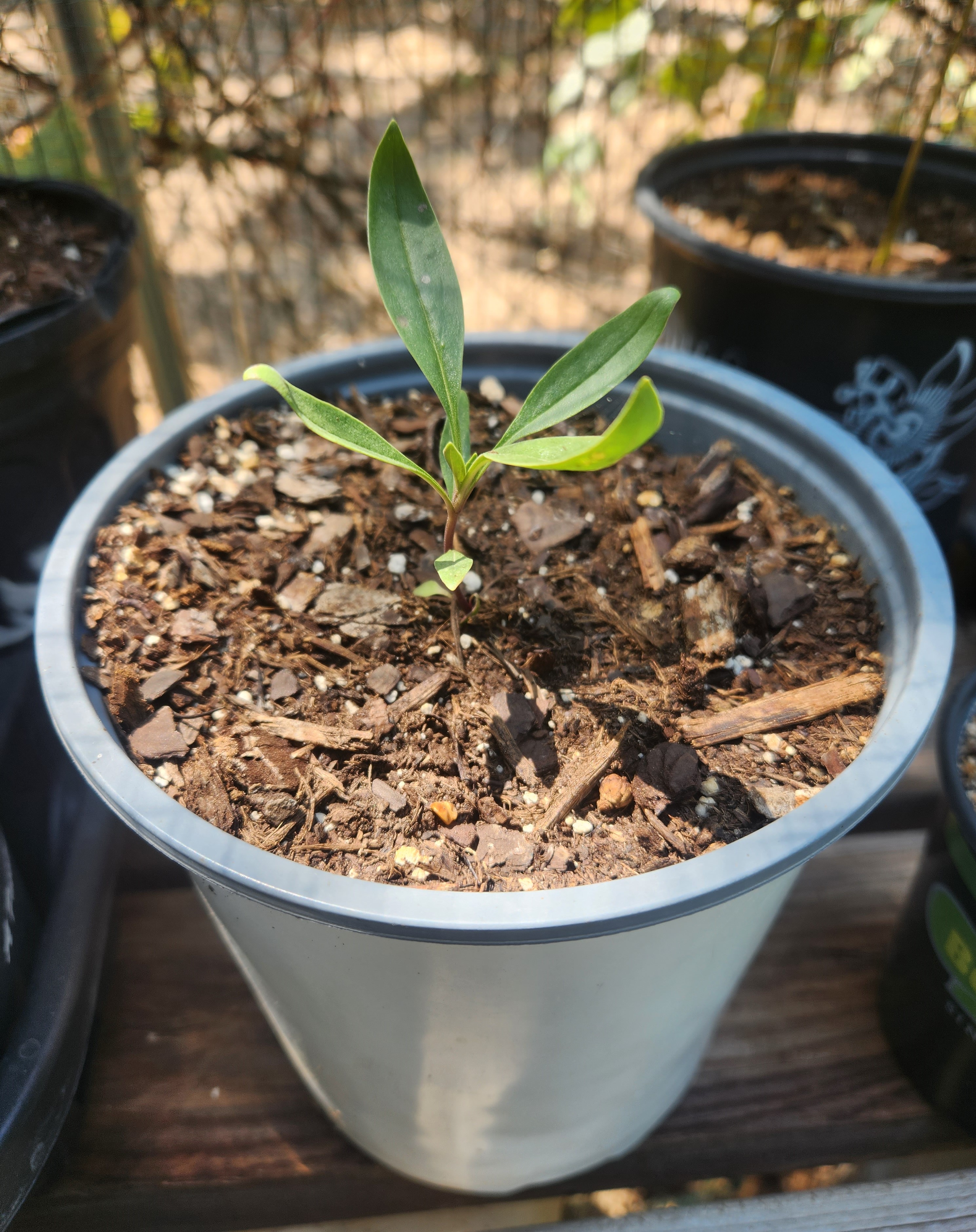
Pictured is an individual that germinated about a month ago. It has a long way to go before it’s ready for transplant! Even at this tender age, Penstemons don’t require much water. They are happy to dry out a bit between waterings. Hopefully, these little Penstemons will produce flowers that are the same rich purple as the parent plants! For those that would like to try these yourself, we offer seeds from the dark purple parent plants pictured (and other native seed species), at our Etsy shop, Hambone’s Mercantile.

Leave a Reply